Contact Us



Events
October 16, 2026
Meet Graid Technology at SC26: One Portfolio for Any Workload
Your GPUs aren’t slow. They just have a short memory. At SC26, Graid Technology is showing how to fix that, and how one portfolio delivers performance and data protection across AI, HPC, and enterprise workloads.
When AI context outgrows GPU memory, most systems throw it away and recompute it. Graid Technology’s GPU-accelerated I/O retrieves that context from local NVMe fast enough to rejoin the KV cache. That cuts wasted GPU cycles and lowers cost per token. In testing, it delivered 3.26x faster mean time to first token and up to 53.4% higher total throughput.
The same portfolio covers CPU-based systems. VROC™ by Graid Technology delivers data protection engineered for every architecture and performance tier, so you can match storage to the workload, whether it runs on GPUs or CPUs.
Enter to Win Meta Glasses
Visit Graid Technology at Booth 1326 to enter our raffle for a pair of Meta glasses and see how our portfolio fits your workloads.
See you at SC26 in Chicago, November 17–19.
-- SC26 --
📍 McCormick Place, Chicago, IL
📍 Exhibits: November 17–19, 2026
📍 Booth 1326
Want to meet with our team at the show? Contact us to set up a meeting.
News & Resources

October 15, 2026
Graid Technology Featured in TechArena’s AI Infrastructure Report, The Integrated Machine
Graid Technology is featured in TechArena’s report The Integrated Machine. Field CTO Randy Kreiser discusses KV cache, inference performance, and why storage has to be designed into the rack from the start.

September 14, 2026
Breaking the KV Cache Inference Wall — Solidigm Data Insights Podcast, Featuring Graid Technology
"You've got a four-lane highway, and to get to your storage, you have to go down to a one-lane bridge." Garrett McKibben joins Solidigm on TechArena's Data Insights podcast to unpack why KV cache overflow is choking AI inference.
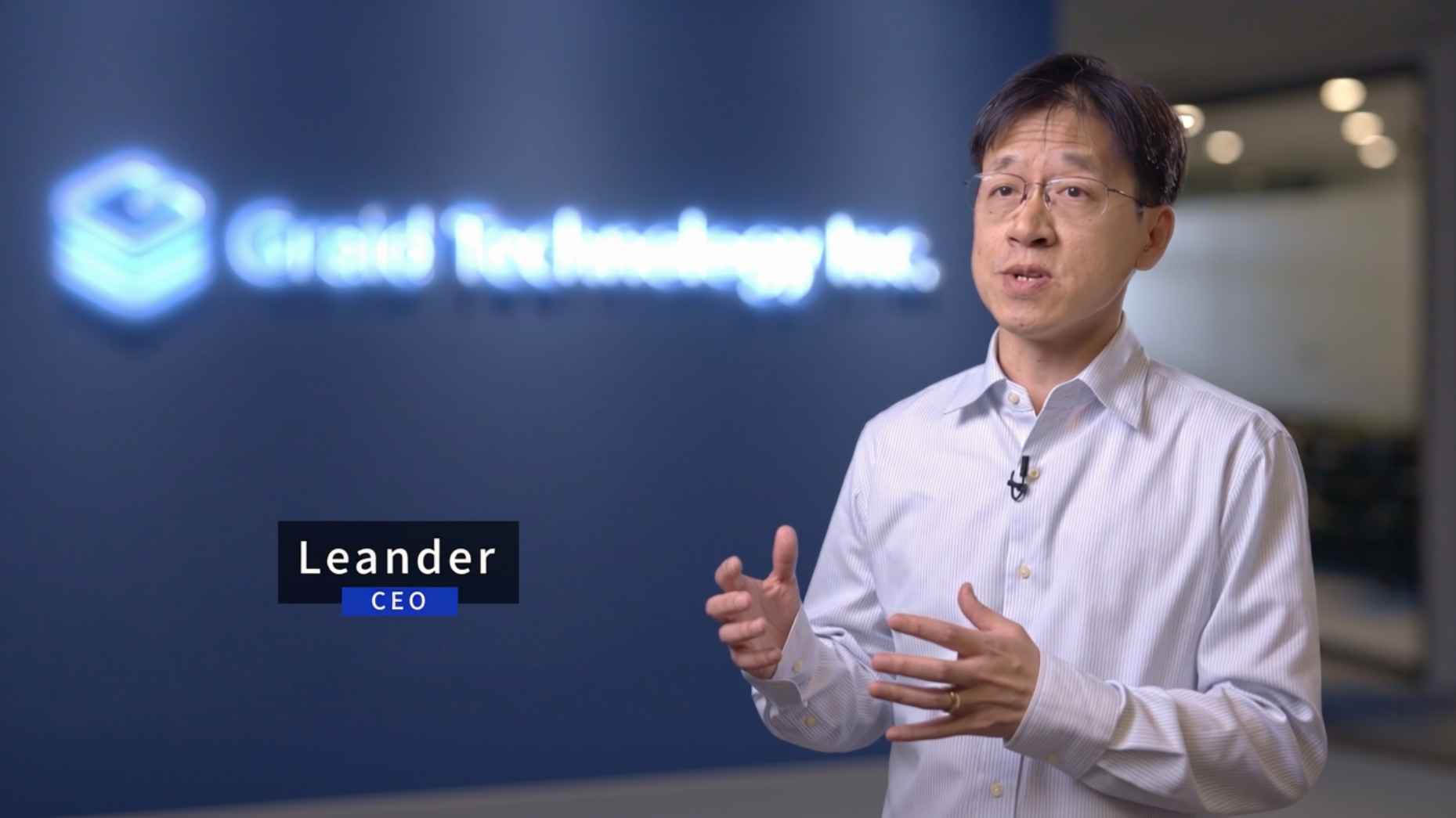
Graid Technology CEO Leander Yu and VP of Product Development Alven Yen explain how moving RAID processing onto the GPU breaks the bottleneck traditional controllers cannot solve, delivering 36 million GPU-initiated IOPS for AI infrastructure.